

An international study published in the Proceedings of the National Academy of Sciences (PNAS) warns that the world is losing its vegetable biodiversity at an alarming rate. Researchers identified more than 1,480 edible vegetable species, while noting that people consume nearly 40% fewer vegetables than recommended by the World Health Organization (WHO) and that almost one-quarter of the assessed wild relatives of major vegetable crops are threatened with extinction. Scientists are urging governments and researchers worldwide to take urgent action to conserve vegetable diversity to improve nutrition, strengthen climate resilience, and safeguard future food security.
An international team of scientists is calling for a global effort to rescue, conserve and make better use of vegetable biodiversity, warning that modern food systems are becoming increasingly dependent on a small number of widely grown vegetable crops.
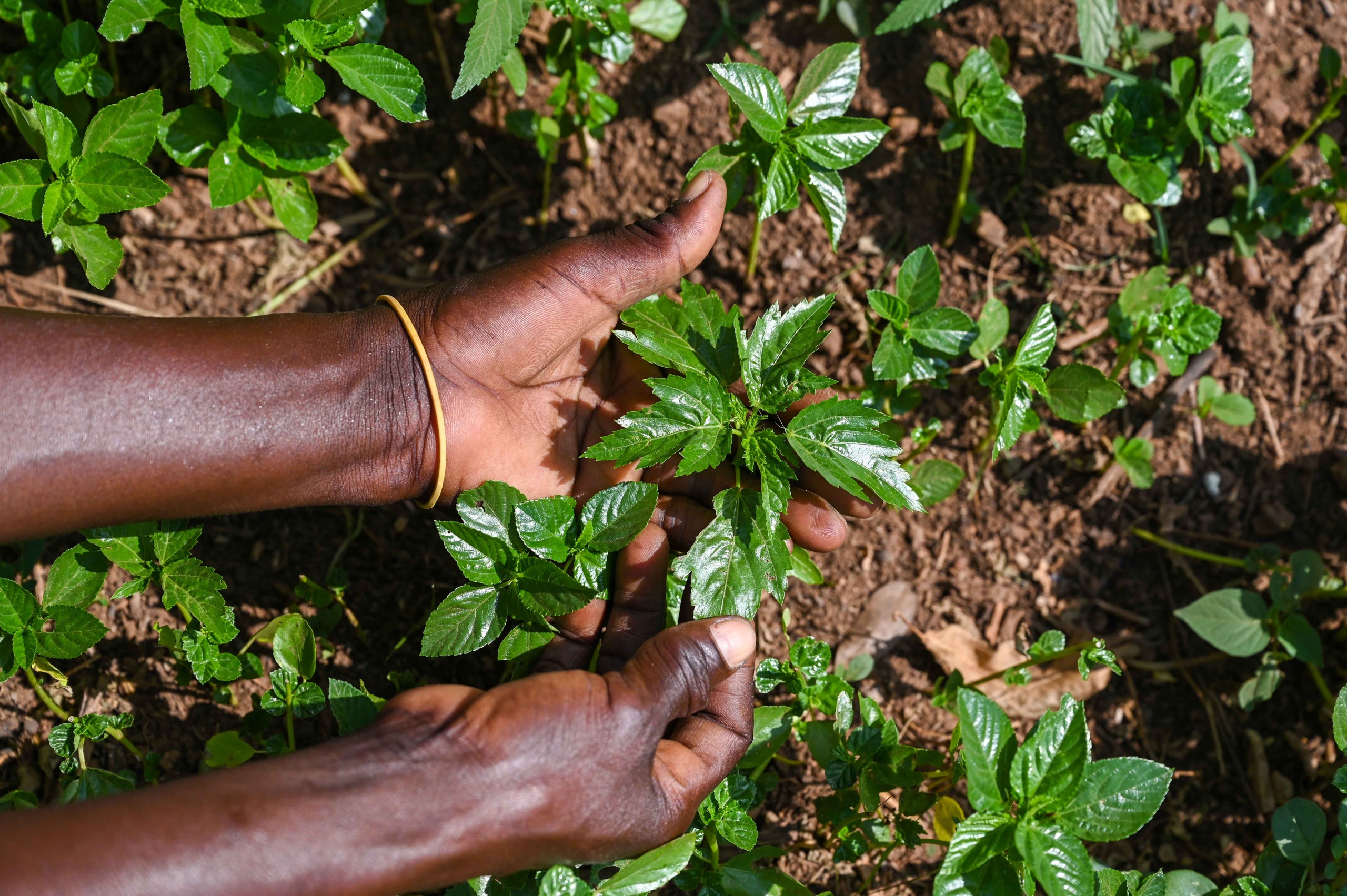
In a study just published in the Proceedings of the National Academy of Sciences (PNAS), the researchers highlight spider plant in Africa, bitter gourd in Asia and slippery cabbage in the Pacific as examples of overlooked vegetable crops that could help improve diets and strengthen agriculture against climate change.
The researchers use the term vegetable biodiversity to describe the full range of vegetable species, traditional varieties and their wild relatives.
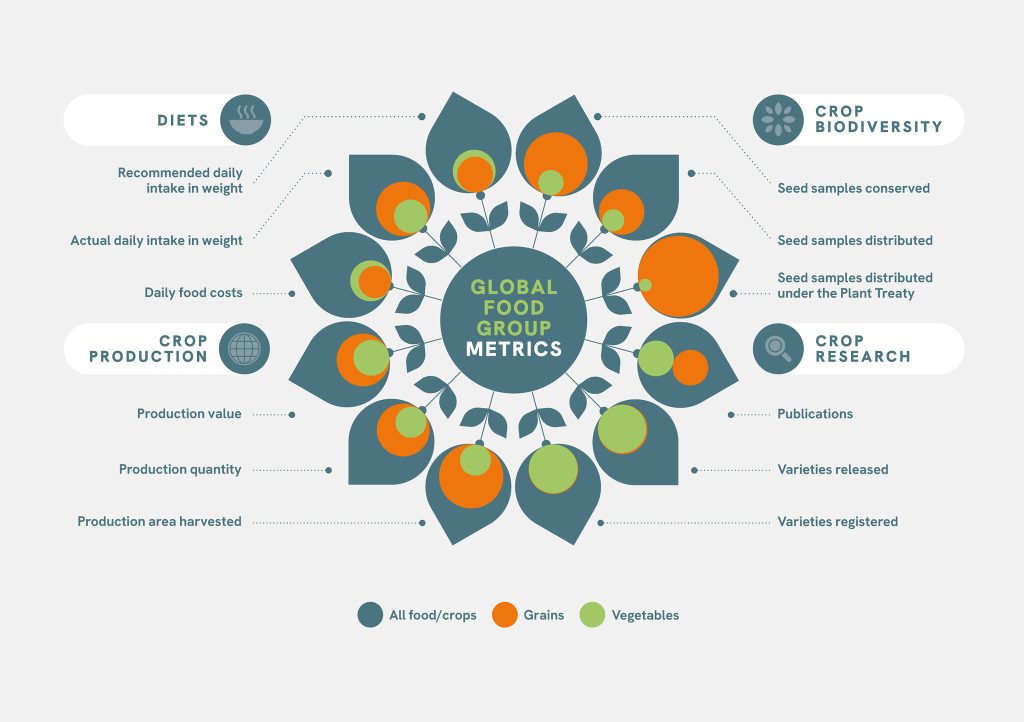
The findings come as people worldwide consume nearly 40% fewer vegetables than recommended by the World Health Organization, global production remains insufficient to meet recommended intake, and low vegetable consumption is among the five leading dietary risk factors contributing to the global burden of disease. The United Nations recently warned that more than one in three people cannot afford a healthy diet, highlighting the need to make foods such as vegetables more affordable and accessible.
The researchers argue that simply producing more of today’s most common vegetables will not be enough. Many traditional and underused vegetables are rich in vitamins and minerals, well adapted to local growing conditions and valued in local food cultures. Their diverse varieties and wild relatives also contain characteristics that can be used to develop vegetables better able to withstand heat, drought, pests and diseases.
« The solution isn’t simply to grow more vegetables – it’s also to grow more kinds of vegetables. Much of the vegetable biodiversity we need is still out there – in traditional varieties and their wild relatives. The urgency is to conserve it properly so that we can use it wisely to diversify diets amid climate change. » – Dr. Maarten van Zonneveld, lead researcher
The researchers identify more than 1,480 edible vegetable species worldwide, though they say the true number is likely to be even higher. Many are poorly researched and underused despite their importance in local diets and farming systems.
The study highlights vegetables such as spider plant in Africa, bitter gourd in Asia, slippery cabbage in the Pacific, and the edible leaves of pumpkin, sweetpotato and cowpea. Many are naturally rich in vitamins and minerals, adapted to challenging growing conditions and valued in local food cultures, yet they receive only a tiny fraction of the research, breeding and conservation efforts devoted to globally traded vegetables and staple grains.
By showing which vegetables are most relevant to different regions and climate challenges, the list will help researchers, practitioners and policymakers identify priorities for conservation, breeding and wider use. But the researchers warn that many of these resources are already disappearing. Studies from around the world have documented substantial declines in the range of traditional vegetable varieties grown over the past century, while almost one-quarter of assessed wild relatives of major vegetable crops are threatened with extinction.
« Vegetable biodiversity is one of the world’s greatest assets for improving diets and adapting agriculture to a changing climate, but we’re losing it at exactly the time we need it most. Conserving vegetable biodiversity isn’t just about protecting the past – it’s about securing more options for the future. » – Dr. Colin Khoury, Global Conservation Lead at the Crop Trust.
The researchers argue that conserving vegetable biodiversity is not enough on its own. Protecting seeds in genebanks helps safeguard them against permanent loss, but sustainably improving nutrition also depends on ensuring vegetables – traditional and otherwise – continue to be improved by plant breeders, grown by farmers, sold in markets and eaten by consumers. As a result, they argue that the conservation and use of traditional and wild vegetables must go hand in hand.
They outline four priorities for governments, funders, and researchers:
- Secure vegetable biodiversity for the future by rescuing, conserving and restoring traditional vegetable varieties and their wild relatives.
- Use vegetable biodiversity to develop improved varieties by expanding research, breeding and access to diverse genetic resources.
- Promote vegetable biodiversity to diversify diets by increasing the production, availability and consumption of a wider range of vegetables.
- Embed vegetable biodiversity in policy by integrating it into agriculture, health, education, climate and biodiversity strategies.
Taken together, these priorities would shift vegetable biodiversity from being an overlooked resource to a central part of efforts to improve diets, strengthen climate resilience and develop the vegetables needed now and into the future.
The findings align closely with emerging international efforts such as Vegetables4Life, a global initiative led by WorldVeg and co-led by the Global Crop Diversity Trust to rescue, conserve and use vegetable diversity in biodiversity and malnutrition hotspots worldwide. The research brought together researchers from the World Vegetable Center, the Crop Trust, the International Potato Center (CIP), Centre for Pacific Crops and Trees (Pacific Community), Wageningen University & Research, the International Center for Tropical Agriculture (CIAT), the Food Security Leadership Council, New York Botanical Garden, and the CGIAR Genebank Accelerator.
Boris Ngounou